
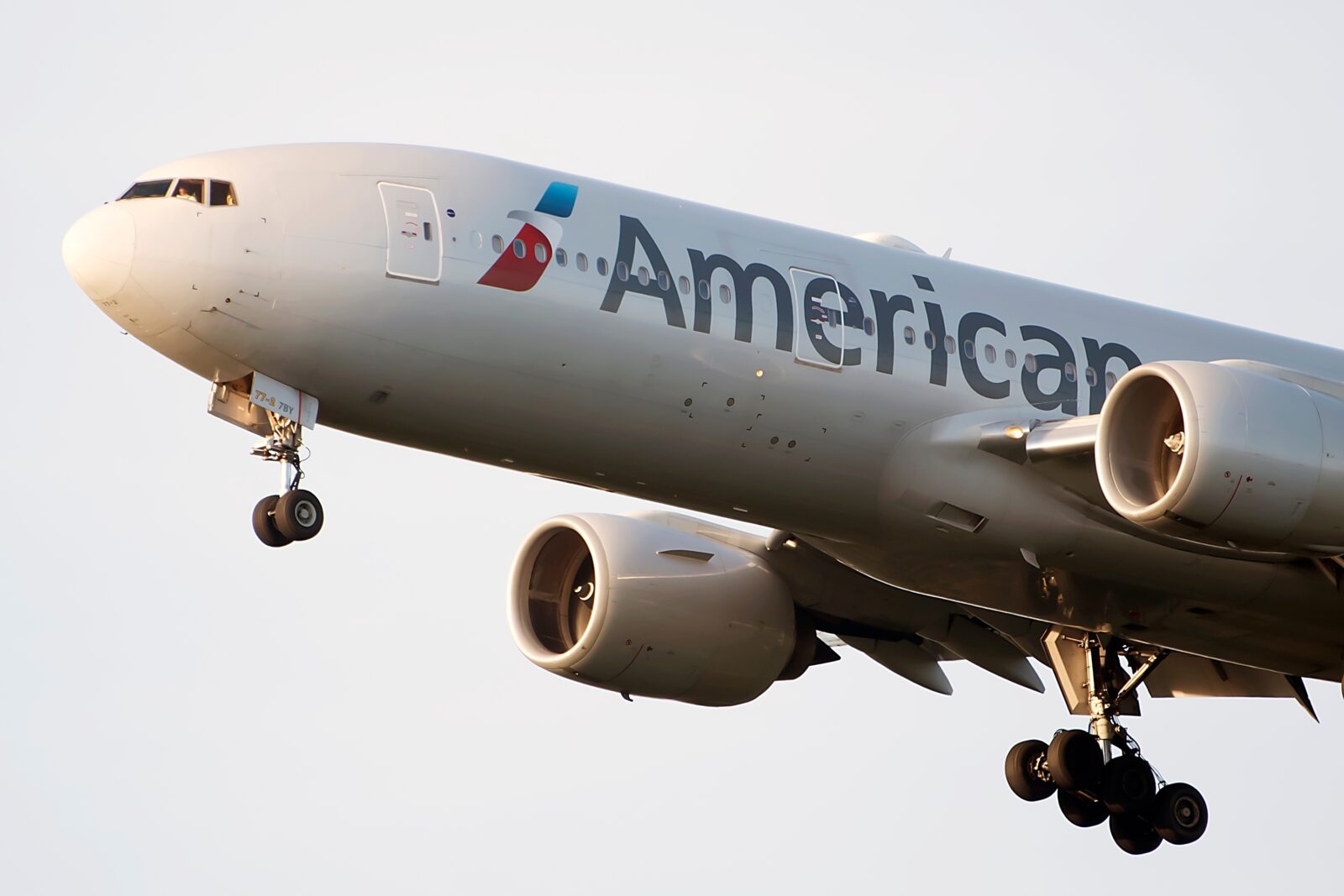
American Airlines didn’t just mark its 100th anniversary in 2026; it also committed to becoming a premium-focused airline capable of competing with Delta and United on passenger experience. For a carrier that’s faced more than its fair share of criticism in recent years, American now looks to be turning a corner, backed by substantial new investment that could transform the passenger experience: a major cabin overhaul phasing out the airline’s historic First Class in favour of a new Flagship Suite business class, and the first Airbus A321XLR to fly in a US carrier’s colours.
Investment in the passenger experience isn’t the only reason to consider American Airlines as a Flight Attendant. A relatively new contract delivered the biggest pay increase in the airline’s recent history, with salary rises locked in through 2028.
American Airlines employs more than 28,000 flight attendants across 10 primary crew bases in the United States, making it one of the largest airlines in the world. To join its ranks, candidates must pass through a multi-stage recruitment journey, which includes online assessments, video interviews, and an in-person event at American’s Dallas-Fort Worth hub.
We’ve brought together everything we know about the American Airlines recruitment process in this hub page, along with essential companion guides.
American Airlines: Quick Facts
| Requirement | Details |
|---|---|
| Minimum age | 21 |
| Minimum height | No fixed minimum; a functional reach test applies instead (specific measurement not published) |
| Experience required | No prior Flight Attendant experience needed; roughly 2 years of customer service background is typical |
| Education | High school diploma or equivalent |
| Tattoos | Not permitted while in uniform or during training; must be covered by a uniform item, makeup, or approved jewelry/watches |
| Contract type | Permanent, direct employment under a union contract (APFA), not a fixed-term contract |
| Base | Assigned during week 3 of training; 10 crew bases (BOS, CLT, DCA, DFW, LAX, LGA, MIA, ORD, PHL, PHX) |
| Base salary | $37.91 per hour at Year 1 (current 2026 rate under the 2024-2028 contract) |
| Base pay monthly estimate | Roughly $2,843 a month at a standard 75-hour line, Year 1, before boarding pay or per diem |
| Accommodation | Not provided for your assigned base; training accommodation (single occupancy) is provided for the full 6.5-week course |
| Tax status | Taxable; American crew pay US federal income tax and, depending on base state, may owe state income tax |
| Union representation | Yes, the Association of Professional Flight Attendants (APFA). |
Insight: Although American Airlines states it operates from 10 primary crew bases, it’s worth noting that New York-JFK and LaGuardia (LGA) are considered a joint base. That means crew members assigned to JFK are also expected to operate flights out of LGA. This lines up with American’s own official materials, which treat “New York (JFK and LGA)” as a single combined hub, and with the union’s own base staffing data, which shows no separate JFK line at all.
What Kind of Airline Is American Airlines?
- Headquarters: Fort Worth, Texas
- Destinations: 350+ across more than 60 countries, on six continents
- Fleet size: roughly 1,022 mainline aircraft, one of the largest fleets of any airline in the world
- Employees: around 130,000 across American Airlines Group
- Alliance membership: oneworld, a founding member
- Latest financials: record FY2025 revenue of $54.6 billion, though net income (around $111 million GAAP) trails Delta and United by a significant margin
2026 marked American’s centennial year, a major milestone for one of the biggest and most well-known airlines in the world. The airline has leaned into it visibly, including a centennial-liveried aircraft and a significant cabin product transition: Flagship Suite, a new lie-flat business class with a sliding privacy door, is replacing the airline’s historic Flagship First cabin entirely, rolling out on new Boeing 787-9 deliveries, the new Airbus A321XLR, and via retrofit on Boeing 777-300ERs.
For flight attendants, life at American Airlines is determined by the Collective Bargaining Agreement, the last of which was signed in 2024 after a multi-year dispute that nearly led to historic strike action, following a 99.47% strike authorization vote. The new agreement delivered over $4.2 billion in added value and, for the first time in the airline’s history, dedicated boarding pay.
Worth knowing: New hires now face two full years of straight Reserve before qualifying for any line-holding rotation, followed by three further years of alternating Reserve, a five-year runway before consistent schedule control, a real change from how things worked under the previous contract.
New hires can expect an unpaid 6.5-week training course in Dallas-Fort Worth, a base assignment that isn’t confirmed until week 3 of training, and that same long Reserve runway once you’re working. Like the other US majors, American Airlines suits candidates who are looking for a long-term career and are willing to make significant sacrifices in the first few years of employment for a stable job and good earning opportunities that come with seniority.
The Pay and Benefits Package
Flight attendant pay works on a 13-step hourly scale that starts at $37.91 an hour at Year 1 and rises to $87.04 at Year 13 (current 2026 rates), with boarding pay now added on top for the first time, calculated at 50% of your hourly rate for the published boarding period of your flight. The retirement package stands out: a combined 9% company 401(k) contribution (5% company contribution plus 4% match), alongside a profit-sharing formula paying 10% of pre-tax earnings up to $2.5 billion and 20% above that threshold.
Not only is initial training unpaid, but the first two years are spent on straight Reserve, the hardest financial and lifestyle stretch of the job, before schedule stability starts to build. Flights, single-occupancy accommodation, and three meals a day are at least covered during the 6.5-week training course, easing some of that early financial burden.
For the full breakdown, including the complete pay table, per diem, lead and galley premiums, and every other benefit, see the American Airlines Flight Attendant Salary and Benefits 2026 guide.
The Recruitment Process
American runs an extensive seven-stage recruitment process for flight attendants:
- A “Before You Board” preview video, watched before you even apply
- An online application and assessment
- A 72-hour self-recorded personal introduction video
- A virtual interview
- An in-person group experience in Dallas-Fort Worth
- 6.5 weeks of training
- Graduation
The full journey can take months from start to finish. Candidates should expect a timeline of around six months or more between initial application and the start of training, so plan for a long process rather than a fast turnaround.
Our American Airlines Flight Attendant Recruitment: The Complete Step-by-Step Guide 2026 goes further than American’s own recruitment page ever could: real preparation advice for every stage, from structuring your 72-hour personal introduction video to what actually gets you through the in-person group experience, plus direct links to the practice tools worth using before you apply.
Your American Airlines Recruitment Guides
Before You Apply
American Airlines Flight Attendant Salary and Benefits 2026 The full pay scale, boarding pay explained, per diem, retirement, and the honest reality of the five-year Reserve runway, sourced directly from the 2024 APFA contract.
Compare Salaries and Benefits Across Six U.S. Airlines: How does American’s pay and benefits compare against five other major U.S. carriers? Use our free comparison tool and find out now.
American Airlines Flight Attendant Bases: Everything You Need to Know Every base broken down using official and verified union data, including which ones are more accessible for new hires and the real commuting picture.
The Recruitment Process
💡 Top Article: American Airlines Flight Attendant Recruitment: The Complete Step-by-Step Guide 2026 Every stage of the process, including the new virtual interview and what actually happens at the in-person group experience. If you read just one guide, make it this one.
The American Airlines Cheat Sheet for the Flight Attendant Assessment Day 2026 Recruiters expect you to know the airline inside out. This is the guide for that: the centennial, the Flagship Suite rollout, and the current fleet and contract knowledge worth having ready before your in-person day.
Appearance and Presentation
American Airlines Flight Attendant Appearance and Grooming Standards American’s tattoo policy in full, the confirmed in-person interview dress code, and the grooming standards you’ll be expected to comply with on the job.
Get Ready for the Online Assessments
Cabin Crew Situational Judgment Practice Test A practice tool for the kind of scenario-based thinking American’s own online assessment and personal introduction video both test.
The Complete Guide to the Cabin Crew Video Interview: Part One and Part Two Everything you need on the on-demand video interview format, directly relevant to American’s 72-hour personal introduction video stage.
Companion Guides
SOAR to Success at Your Cabin Crew Final Interview A framework for structuring competency-style answers clearly, worth learning before American’s virtual interview stage.
Cabin Crew Assessment Day Hub General preparation for performing well in an in-person group assessment setting, applicable well beyond American specifically.
Is American Airlines Right for You?
American suits candidates who want the scale and stability of one of the largest carriers in the world, a strong, union-negotiated contract, and don’t mind a demanding early-career stretch in exchange for it. If you’re drawn to a company visibly investing in its own future right now, the cabin refresh and the new aircraft types, American is a strong choice worth taking seriously.
This kind of job security requires some serious sacrifices and compromises: the five-year Reserve runway is real and significant, longer than it was under the previous contract, and worth weighing carefully before you apply, not discovering after you’ve accepted an offer. Base assignment isn’t in your control and isn’t confirmed until partway through training. And while the 2024 contract improved American’s financial position for Flight Attendants substantially, the airline’s own overall profitability still trails Delta and United by a meaningful margin, useful context rather than assuming record revenue means a comfortable financial position across the board.
How American Compares to Its Rivals
Delta doesn’t operate under a collective bargaining agreement, so pay increases happen unilaterally rather than through negotiation, a different model from American’s union-negotiated structure.
United Airlines operates the largest mainline fleet in the world (edging out American’s own large fleet) and a significantly larger international route network. United’s tattoo policy is also more permissive: visible tattoos are allowed on arms, wrists, legs, and feet (badge-sized, one per limb). If a visible tattoo is a dealbreaker for you, that difference alone might settle which of the two is the better fit.
JetBlue runs a smaller, all-narrowbody network and a distinctive dual pay-scale election system American doesn’t have, with a faster-moving hiring process overall, though pay across JetBlue’s scale runs lower than American’s current contract.
Southwest pays some of the best rates in US aviation, but doesn’t currently fly long-haul international routes, a different network shape entirely from American’s global reach, and the airline is going through a period of real strategic change, worth watching if Southwest’s long-term direction matters to your decision.
Frequently Asked Questions
Pay starts at $37.91 an hour at Year 1, rising to $87.04 by Year 13 under the current 2024-2028 contract, with boarding pay (50% of your hourly rate for published boarding time) added on top for the first time in the airline’s history.
21 years old.
There’s no fixed height minimum. Instead, candidates must pass a functional reach test, though American doesn’t appear to publish the specific measurement in inches the way some other carriers do.
No previous Flight Attendant experience is required. American recruits on customer service instinct, communication, and composure.
Not while in uniform or during training. Tattoos must be covered by a uniform item, makeup, or approved jewelry/watches, bandages, see-through gauze, pantyhose, and sleeve accessories don’t count as acceptable coverage.
A “Before You Board” preview video, an online application and assessment, a 72-hour personal introduction video, a virtual interview, an in-person group experience in Dallas-Fort Worth, and 6.5 weeks of training.
6.5 weeks at the Robert L. Crandall Campus in Dallas-Fort Worth, unpaid, with flights, single-occupancy accommodation, and three meals a day provided throughout.
Two full years of straight Reserve after training, followed by three further years on an alternating month-on, month-off Reserve rotation, a five-year runway before consistent line-holding under the current contract.