

When it comes to cabin crew recruitment, it’s important to understand whether you’re actually attending an Open Day or an Assessment Day (the latter of which is sometimes referred to as an F2F, or face-to-face, assessment or interview).
These terms get used loosely across forums, Facebook groups, and even airline invitations themselves; they can be very different stages of the recruitment process, and it’s worth understanding the key differences from the very start.
Open Day: The Front Door
At one time, Open Days were one of the most popular ways for airlines to recruit cabin crew, and in some markets (particularly the Middle East and some parts of Asia), they still are.
An Open Day is a walk-in event. In most cases, you don’t need to apply or register beforehand – you simply turn up at the event, which is normally held in a hotel or a conference venue, with your CV and a headshot photo.
An event will typically start with a presentation in which the recruiter will tell you more about the airline, explain what they are looking for in candidates, explain the benefits of the role, and give candidates to ask questions.
Once the presentation is over, candidates will line up to hand over their CVs and other documents that have been requested by the recruiter. The recruiter may ask one or two short questions, although these are normally very brief as the line needs to keep moving.
Candidates are then expected to mingle in a seperate room, while the recruiters confer over who will be shortlisted. After some time, a piece of paper on which a roll call of every candidate’s name will be pinned up. If your name has been highlighted, you have been shortlisted. If your name isn’t highlighted, the day ends at this point, and you are not being progressed.
Think of an Open Day as the initial screening stage, where recruiters will review resumes and CVs, sometimes in huge numbers, and then decide who will progress to an Assessment Day.
Airlines use Open Days because it allows them to visit different cities around the world and form a first impression of candidates directly. If your CV and presentation make a strong enough impression with the recruiter, you’ll typically be invited to a more in-depth Assessment Day.
The Assessment Day sometimes takes place on the same day as the Open Day, although it can be held the following day, or sometimes a week or two later.
If you’re not shortlisted at the Open Day stage, most airlines have a standard waiting period before you can attend another Open Day for the same role, which is normally around three to six months, though this can vary.
Prepare for an Open Day the same way you would for a first-impression interview: a conservative, well-presented outfit along the lines of our appearance and grooming guide, your CV and photo ready to hand over, and a short, confident answer prepared for why you want the role, since you may only get a few minutes with a recruiter.
Which airlines still run true walk-in Open Days? Emirates is the biggest international airline that still heavily relies on the walk-in Open Days format, with recruiters visiting countries around the world.
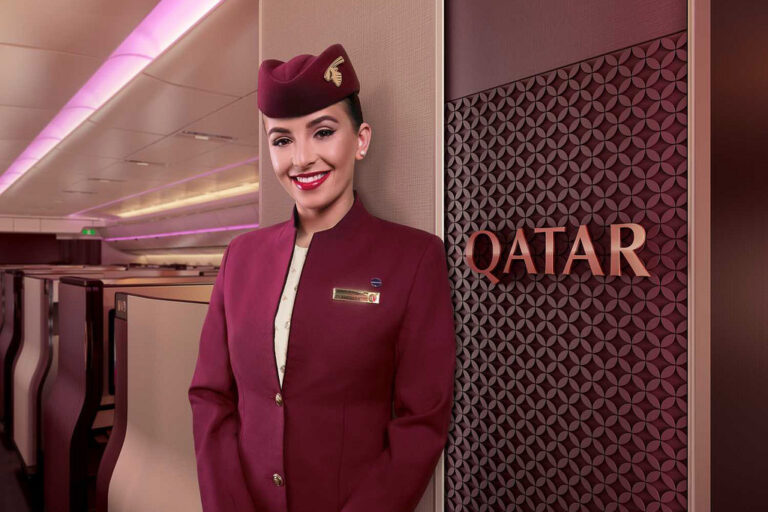
Etihad and Qatar Airways have both largely moved toward an online-application-first, invite-only model, even where “Open Day” language sometimes still gets used loosely to describe their events. A number of low-cost and regional carriers, including Wizz Air, also run recruitment days, though the exact format varies.
Why Have Airlines Moved Away From Open Days?
The wider shift from walk-in Open Days toward invite-only, online-first recruitment comes down to a mix of practical and financial reasons. Online applications let an airline screen far more candidates, more cheaply, without flying a recruitment team to a new city every few weeks.
Various screening tests like on-demand video interviews, personality tests, and situational judgment tests also produce a more consistent, comparable result across thousands of applicants than a recruiter’s few minutes of in-person impression ever could.
There’s a second factor worth mentioning. A walk-in Open Day lets a recruiter form an impression of a candidate within minutes, and that impression inevitably includes how someone presents visually, not just what’s on their CV.
Airlines that have built their brand heavily around a distinctive, consistent visual image have historically preferred Open Days for this reason. In comparison, airlines that have moved toward structured, competency-first screening are generally aiming for the opposite: a process that depends less on a brief first impression and more on demonstrable, comparable competency.
Worth knowing: If you are rejected at the shortlisting stage of an Open Day, it’s easy to start spiralling, replaying the day in your head and picking apart everything you might have done wrong.
But if you’re not selected at an Open Day, it’s worth understanding that the outcome may not be a reflection of your CV, your skills, or your suitability for the role at all. Open Day-style recruitment events can lead to a certain level of recruiter bias, although that doesn’t mean that you shouldn’t put effort into preparing for this kind of event.
Assessment Day: The Real Evaluation
An Assessment Day, or F2F, is invite-only. You’ll always have submitted an online application first and been shortlisted based on it, before receiving an invitation. This is a structured, multi-stage day where candidates will undergo presentations, group exercises, role plays, reach and jump seat testing, and ultimately the competency-based final interview.
The exact format can vary from one airline to the next, but ultimately, the purpose of an Assessment Day is to give recruiters a much clearer view of whether you have the demonstrable competencies to do the job well and are a culture fit with the airline.
If you’ve received a formal invitation with a specific date and time, referencing an application you already submitted, you’re attending an Assessment Day, not an Open Day. Qatar Airways, for example, refers to this stage explicitly as a “face-to-face interview” in its own recruitment process, and you’ll see the F2F shorthand used the same way across candidate forums regardless of which airline you’re applying to.
Why the Line Can Blur
In practice, some airlines don’t keep these two stages as separate as the definitions above suggest. Emirates in particular has been known to run a same-day format: candidates arrive for what’s technically an Open Day, and those whose CVs stand out are moved straight into assessment-style exercises before the day is over, rather than being sent away to wait for a separate invitation.
Worth knowing: If you’re specifically preparing for an Emirates event, or any airline known for this faster, consolidated format, it’s worth preparing as though you might face both stages on the same day, even if the invitation only mentions one. Turning up ready only for a CV drop-off, when the day could extend into a full assessment, is a real risk worth planning around.
Which One Are You Actually Attending?
Check the wording of what you’ve received carefully. If you registered yourself, showed up without a prior invitation, and the process is described as walk-in, you’re at an Open Day; prioritise your CV, photo, and first impression. If you received a specific invitation referencing an application you already submitted, you’re at an Assessment Day, and it’s worth working through all of our Assessment Day preparation guides beforehand.
This page is part of our Assessment Day Hub, covering everything from the group exercise to what to wear on the day itself. If you're getting ready for your assessment, here's where to go next.