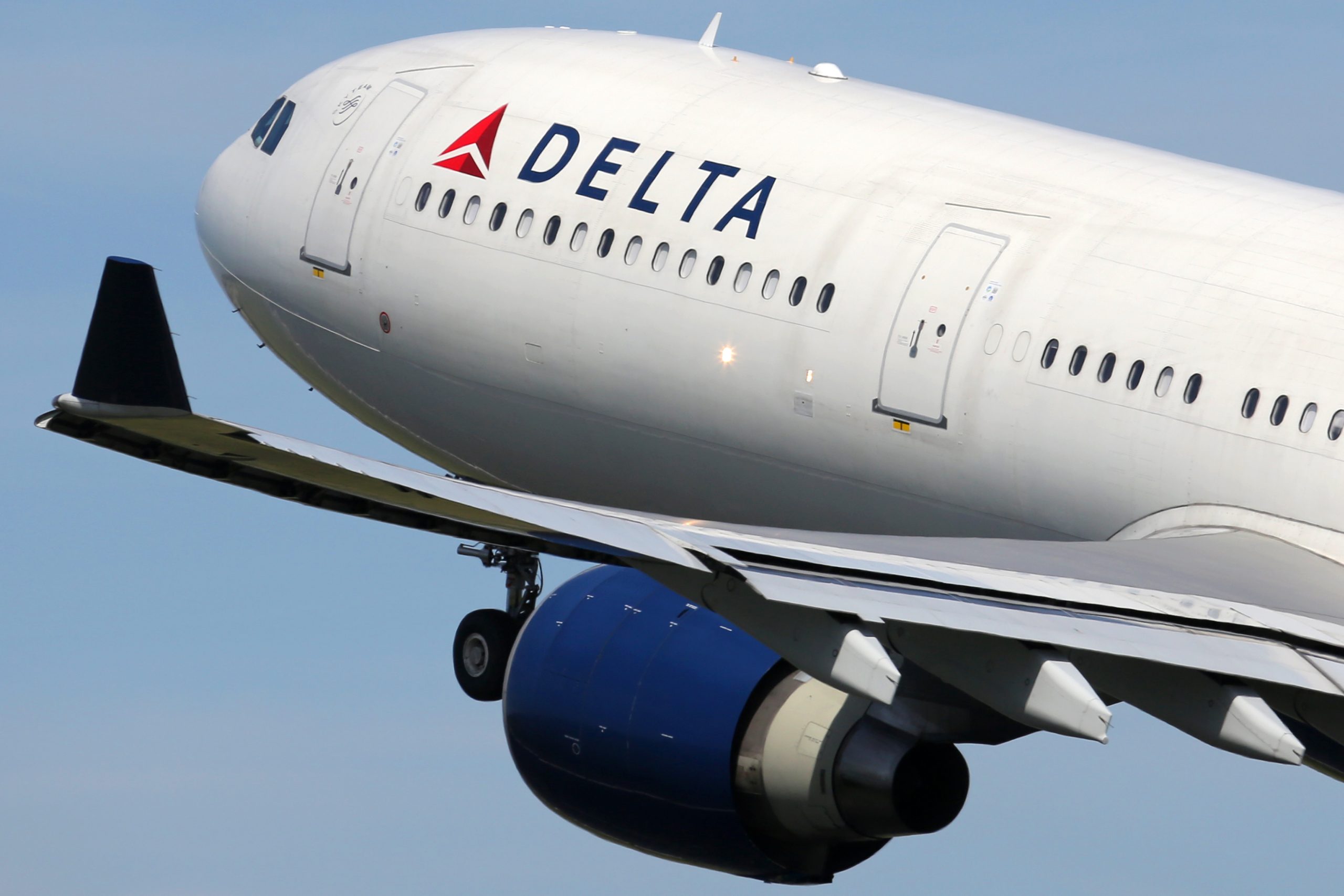

Delta Air Lines flight attendants are getting another pay raise after the airline’s latest annual wage increase came into effect on June 1.
Under the updated pay scale, starting hourly rates have increased from $36.92 to $38.40 per flight hour, while the top rate for flight attendants with 12 years of service has risen from $83.00 to $86.32 per flight hour.
The increase represents a 4% pay rise and marks the latest in a series of annual wage increases that Delta has awarded to flight attendants and other eligible employees in recent years.
For newly hired flight attendants, the increase means earning nearly $1.50 more per flight hour than they were receiving a year ago. More experienced crew members will see larger dollar increases, with those at the top of the pay scale receiving an additional $3.32 per flight hour.
The new rates are as follows:
- Start: $38.40
- After 1 year: $40.72
- After 2 years: $43.32
- After 3 years: $46.13
- After 4 years: $50.80
- After 5 years: $57.52
- After 6 years: $62.94
- After 7 years: $64.95
- After 8 years: $66.74
- After 9 years: $69.24
- After 10 years: $71.14
- After 11 years: $74.55
- After 12 years: $86.32
At first glance, those figures might sound incredibly attractive—and they are among the highest rates in the industry—but there are a few important caveats that anyone comparing airline pay should understand.
The first is that these rates are based on flying hours, not duty hours.
Like most US airlines, Delta flight attendants are primarily paid from the moment the aircraft door closes until it opens at the destination. Time spent reporting for duty, preparing the aircraft, boarding passengers, waiting through delays, and completing post-flight duties is not generally paid at the full hourly flight rate.
Delta does provide boarding pay, although this is currently paid at 50% of a flight attendant’s hourly rate.
The new pay scale also means that Delta’s top hourly rate now falls below that of United Airlines, which recently moved ahead in the battle for the industry’s highest advertised flight attendant pay rate.
There are also important differences between Delta’s compensation system and the contractual protections available at many unionized airlines.
Because Delta flight attendants are not represented by a union, annual pay increases remain at the sole discretion of company management rather than being guaranteed through a collectively bargained contract.
Delta flight attendants also do not receive some of the pay protections that are commonplace elsewhere in the industry, including reroute pay provisions and certain trip protection mechanisms if an operational disruption causes a crew member to lose flying.
Another key difference is that Delta does not guarantee flight attendants a minimum monthly pay credit. At many airlines, flight attendants receive a monthly guarantee of around 75 hours, providing a baseline level of earnings regardless of operational disruptions or scheduling fluctuations.
That doesn’t mean Delta flight attendants are poorly paid—far from it. Once boarding pay, profit sharing, international premiums, purser pay, and other compensation elements are taken into account, many Delta flight attendants continue to earn very competitive incomes.
Still, the latest pay increase serves as a reminder that comparing airlines based solely on a headline hourly rate rarely tells the full story.
Do you think Delta’s pay package remains the best in the industry, or do contractual protections and guaranteed hours matter just as much as the headline hourly rate?