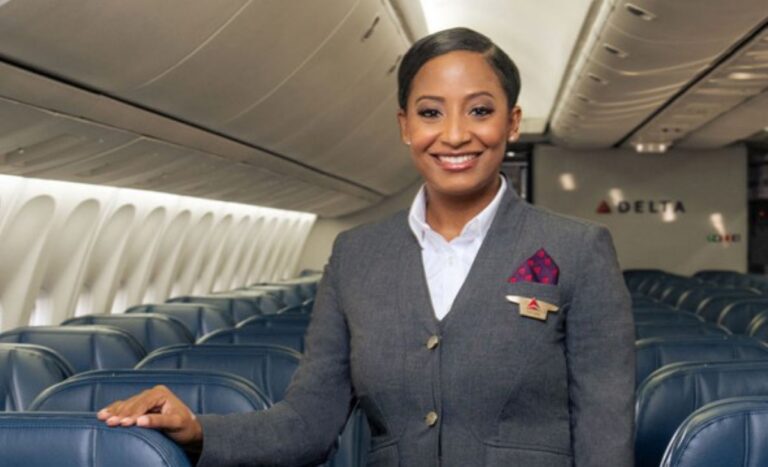


Talking about yourself sounds easy. After all, who knows you better than, well you? And yet, you might be surprised quite how difficult the ‘Tell me about yourself’ interview question is to master.
Many people turn into shrinking violets at the very moment this question is asked. Suddenly, we come across as modest, self-deprecating folk. We fear to talk about the talents and skills that will help us achieve the dream role as cabin crew.
And this tricky little interview question gets even more complicated – because depending on the circumstances in which its asked you have to give very different answers.
The ‘Tell me about yourself’ question is normally asked in two situations:
- As an ice breaker in a group discussion,
- During the final interview as an introductory question.
The response you give should be prepared and practiced for each scenario.
As an Ice Breaker
You’ll most likely be asked this question as an ‘ice breaker’ at the start of a group activity during your assessment day. This is the point where you’ll find yourself in a group of 10-20 other candidates who you may not yet have had an opportunity to talk to.
Answering this question as a simple introduction can make everyone feel at ease before you get into the real group activities. However, don’t be fooled by the simple nature of this question. You are being judged at this point.
The recruiter will be assessing your ability to confidently and clearly address a group of people you have never met before. In effect, this becomes a public speaking task that can be unnerving if you have not prepared for it.
The answer you give only has to be short but it’s vitally important that you deliver it in the right way.
Typically, the recruiter will tell you what information they want you to tell the rest of the group. This will normally include:
- Your name
- Age
- Country or city that you are from
- Why you want to be cabin crew
- An interesting fact about you
The assessor will expect you to have listened to their instructions carefully. Make sure you cover every bit of information the recruiter has asked for – and in the order they have asked for it.
Why do you want to be cabin crew?
Keep your answer short and simple. Focus on a key theme that you can easily convey to your group in just one sentence. This is a perfect opportunity to highlight what skills you can bring to your chosen airline – not just what you are hoping to get out of being cabin crew.
“I’ve always had a passion for helping and serving people. I love travelling and flying to new destinations, so I am looking forward to delivering a 5-star service for passengers”
An interesting fact about you?
The temptation is to say something that will make the other group members laugh. But you’ll be missing a fantastic opportunity to yet again tell the recruiter the skills you already possess that make you the perfect cabin crew candidate.
Consider skills such as:
- Voluntary work that you have undertaken
- Charitable activities you have been involved with
- Sporting or athletic successes
- Theatrical performances you have been in
Prepare for this type of question before your assessment day, think carefully about what your answers will be and practice your delivery with a friend or family member.
When addressing the group, speak clearly and project your voice so that everyone can hear you. Maintain a good posture and ensure that you make eye contact with everyone in the group.
Speak at a pace that will allow those in the group whose first language is not English the ability to understand you properly. Above all, remember to smile and enjoy your moment to shine in the group.
During the Final Interview
Many recruiters and hiring managers start off formal interviews with the ‘Tell me about yourself?’ question. However, in this scenario, the answer you give should be very different from the group exercise.
The recruiter already knows your name, age and other personal details. They’ve seen something in you that they like and they want to delve deeper to see if you are a match with their airline.
This is a golden opportunity to speak freely about how your experience, skills, attitude and personality make you the perfect candidate for the job of being a flight attendant.
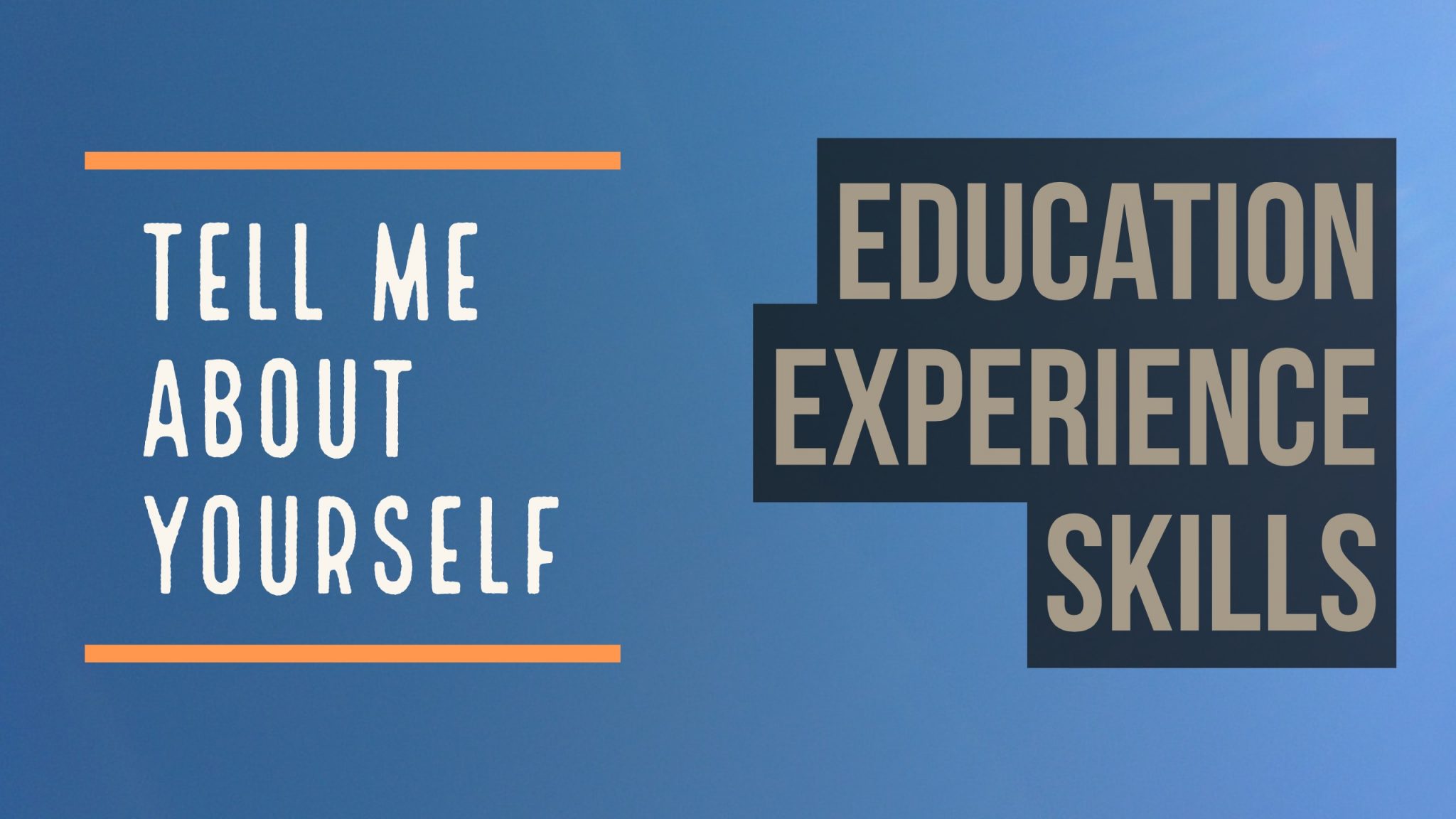
But how do you explain all of this to the recruiter in just a few minutes? Well, there’s an acronym for just this occasion.
- Education
- Experience
- Skills
Make sure that you tailor each section to the role of cabin crew. This isn’t a time to be modest – Describe your achievements to help the recruiter visualise what an asset you will be as cabin crew.
Education:
Tell the recruiter the point at which you passed the minimum education level required for cabin crew with their airline (eg. the year you passed High School and what courses you specialised in).
Detail any courses or qualifications you have in customer services, hospitality or related industries.
If you speak a second, third or even fourth language mention it. List your proficiency in each language. What are you going to do to improve that proficiency?
What else have you done to improve your education? Have you undertaken any courses as an adult or got other skills in first aid or fire fighting?
Experience:
This is the time to bring your resume alive and describe how your work experiences have given you the skills needed to excel as a flight attendant.
You might find it helpful to describe your work experience chronologically but starting with your oldest job first.
Describe what skills you have gained that will benefit you as cabin crew. What experiences have you had in helping customers, problem-solving and working in teams? Show that you have developed and built on your skills during each work experience.
If you have any gaps in your career history this is the moment to explain why.
Skills:
Now you can bring your education and work experience together to highlight the skills you possess – again, focus on skills that are relevant to the role of cabin crew.
- Communication skills
- Team working
- Empathy
- Problem solving
Explain how you know you possess these skills and how you have put them to good use.
By creating a structured answer using this format you can be sure that you’ll cover all the areas that the recruiter is interested in. You need to know your resume inside out. It’s crucial that you are prepared for this question and have practised it before hand.
This daunting and tricky interview question is suddenly an excellent weapon in your arsenal of convincing the recruiter that you are the candidate they need to pick!